The concept of a sanctuary home begins with a shift in perspective. Most of us think of our homes as functional spaces — places where we sleep, eat, store our belongings, and shelter from the elements. A sanctuary home is something more. It is a space intentionally designed to restore, nurture, and reconnect us with the natural rhythms that sustain well-being.
The idea is not new. Throughout history, human dwellings have reflected an understanding of the relationship between built environments and human health. Ancient Roman homes featured atriums open to the sky. Japanese architecture integrates gardens, water features, and natural materials as essential elements of living space. Indigenous cultures around the world have built homes that breathe with the landscape rather than sealing themselves against it.
A sanctuary home integrates the same elements that ALife Qare explores through its three pillars: plants, water, and air. Each of these elements, when thoughtfully incorporated into the home environment, contributes to a sense of balance, vitality, and calm that synthetic alternatives cannot replicate.
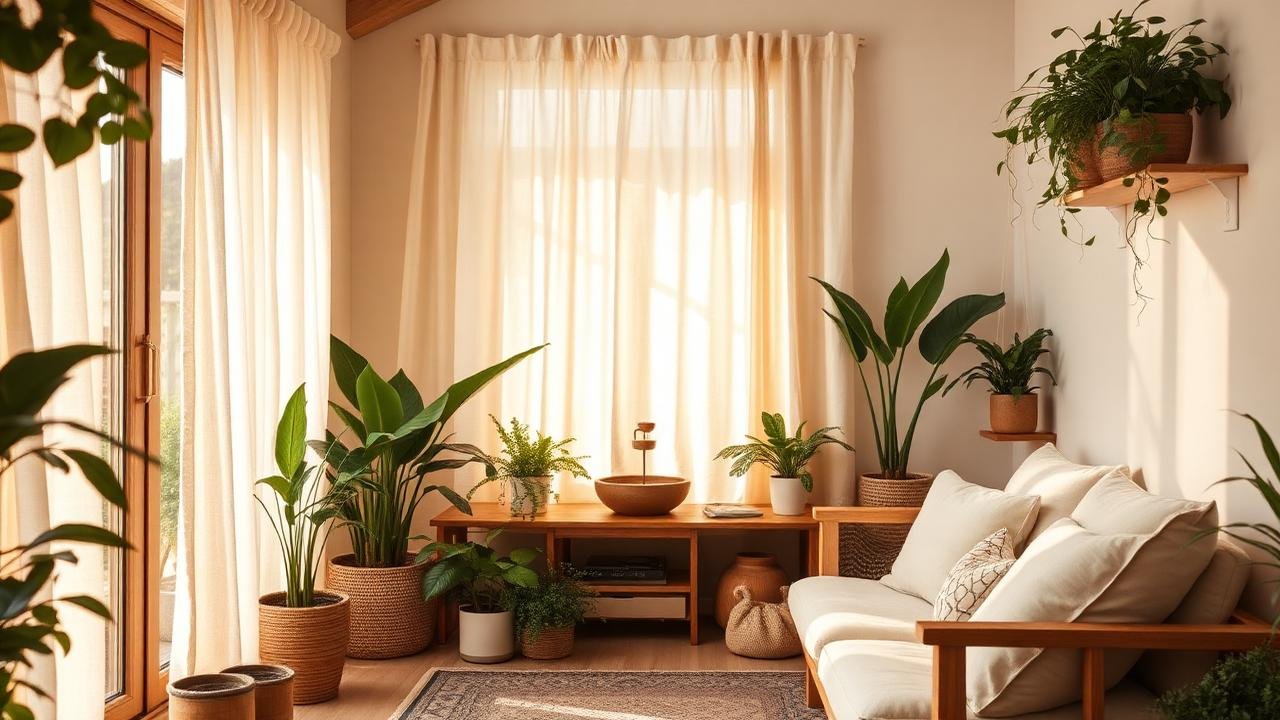
Plants are perhaps the most accessible starting point. Research consistently shows that indoor plants reduce stress, improve air quality, and enhance cognitive function. But a sanctuary home goes beyond placing a few succulents on a windowsill. It considers how living things — plants, herbs, even small indoor gardens — can become integral to the rhythm of daily life. Tending a plant is an act of presence. Watching it grow is a lesson in patience. Harvesting herbs for cooking connects the act of eating to the act of growing.
Water, too, plays a role that extends beyond the tap. The sound of flowing water has been shown to reduce cortisol levels and promote relaxation. A small fountain, a water feature, or even the intentional practice of listening to rain can transform the sensory experience of a home. The quality of the water we drink, bathe in, and use for cleaning also matters — not just chemically, but in terms of the attention and respect we bring to this most essential resource.
Air quality is perhaps the most overlooked element of home wellness. Modern buildings are often sealed tightly for energy efficiency, trapping pollutants, volatile organic compounds, and stale air inside. A sanctuary home prioritizes ventilation, natural airflow, and the quality of the air we breathe. This might mean opening windows more often, choosing natural materials over synthetic ones, using air-purifying plants, or simply becoming more conscious of the air we inhale with every breath.
Beyond these physical elements, a sanctuary home also attends to light, sound, and rhythm. Natural light supports circadian health. Reducing artificial noise creates space for thought and rest. Establishing daily rhythms — for meals, for work, for rest, for reflection — mirrors the natural cycles that govern all living systems.
Creating a sanctuary home is not about perfection or expensive renovations. It is about intention. It is about asking: does this space support the kind of life I want to live? Does it help me feel grounded, present, and connected? And if not, what small changes might shift the balance?
A sanctuary home is a practice, not a project. It evolves as you evolve. And like any sanctuary, its deepest gift is not what it contains, but the quality of attention and care with which it is tended.